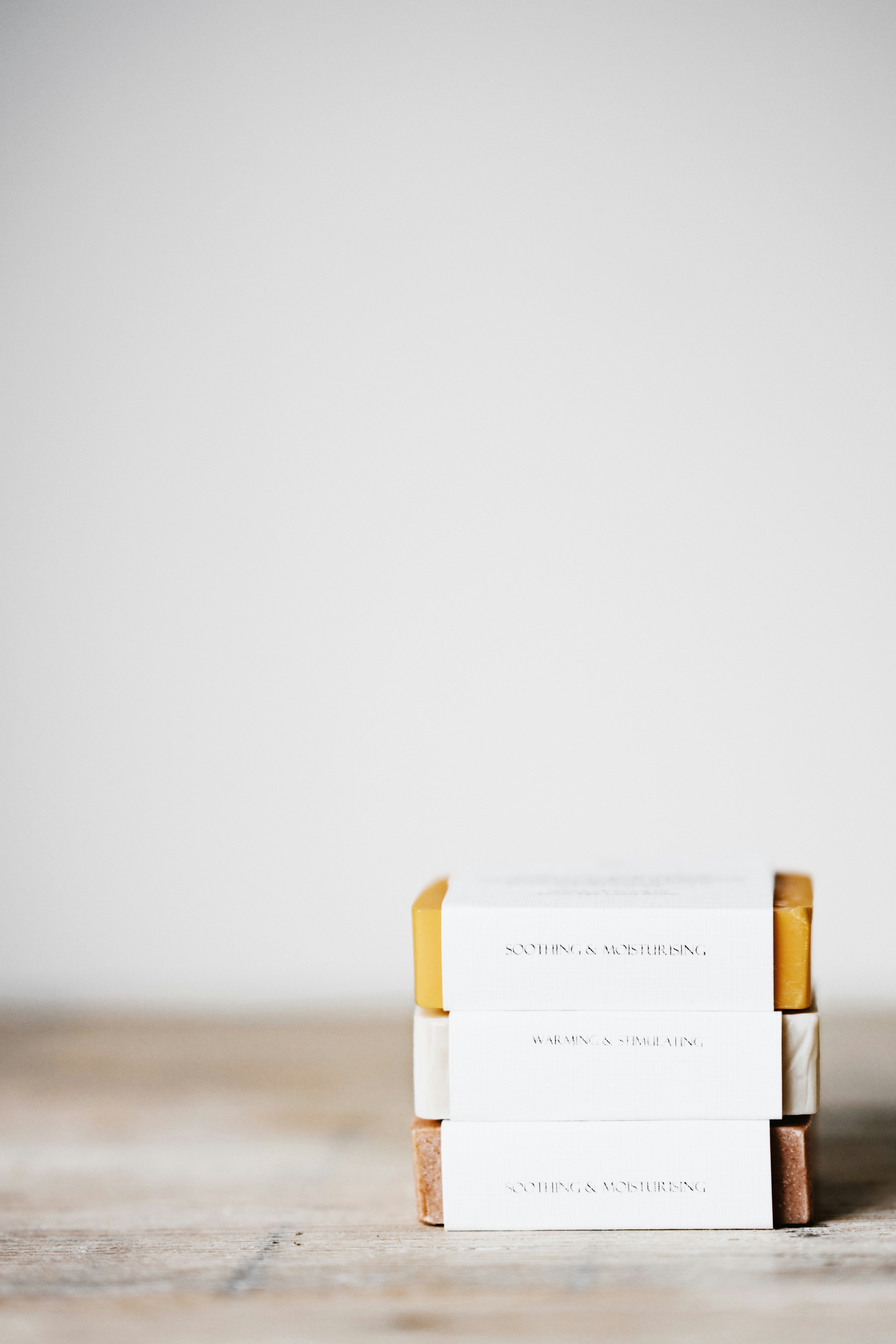
Beginner · Cold Process
Superfat 5%Cure 4 weeks
Classic Bastille Bar
The ideal first batch — 72% olive, 20% coconut, 8% castor. Silky lather, forgiving trace.
✎ Trace is your friend here.
A Cold-Process Journal · Vol. IV · Issue 23 · The Bastille Soap Edition
Soapmaking is chemistry you can hold in your hands. The moment lye meets water — that violent, hissing exotherm that fogs your safety glasses — is the moment you understand that you are not crafting a lifestyle product. You are conducting a reaction. Saponification is irreversible, unforgiving of imprecision, and absolutely beautiful when it goes right.
This journal exists for the people who weigh their oils to the tenth of a gram. For the fragrance-oil hoarders cataloguing which anchor notes survive a 6-week cure. For the beginners who just watched their first YouTube pour and need someone to explain why their batter seized before they could even pick up the spatula.
"The best soap you will ever make is the one you understand — not just follow. The recipe is a map, not a guarantee."
Each issue of Lather is organized like the journal it is — a recipe archive with honest notes on what went wrong, an ingredient glossary written by someone who has actually rendered tallow at midnight, and a troubleshooting column where no question is too basic and no failure too embarrassing.
847
Recipes Archived
12k
Subscribers
23
Issues Published
— M. Harlow, Editor & Head Soaper
Every recipe tested, noted, and filed. Sorted by difficulty, base oil, and cure time.
The ideal first batch — 72% olive, 20% coconut, 8% castor. Silky lather, forgiving trace.
✎ Trace is your friend here.
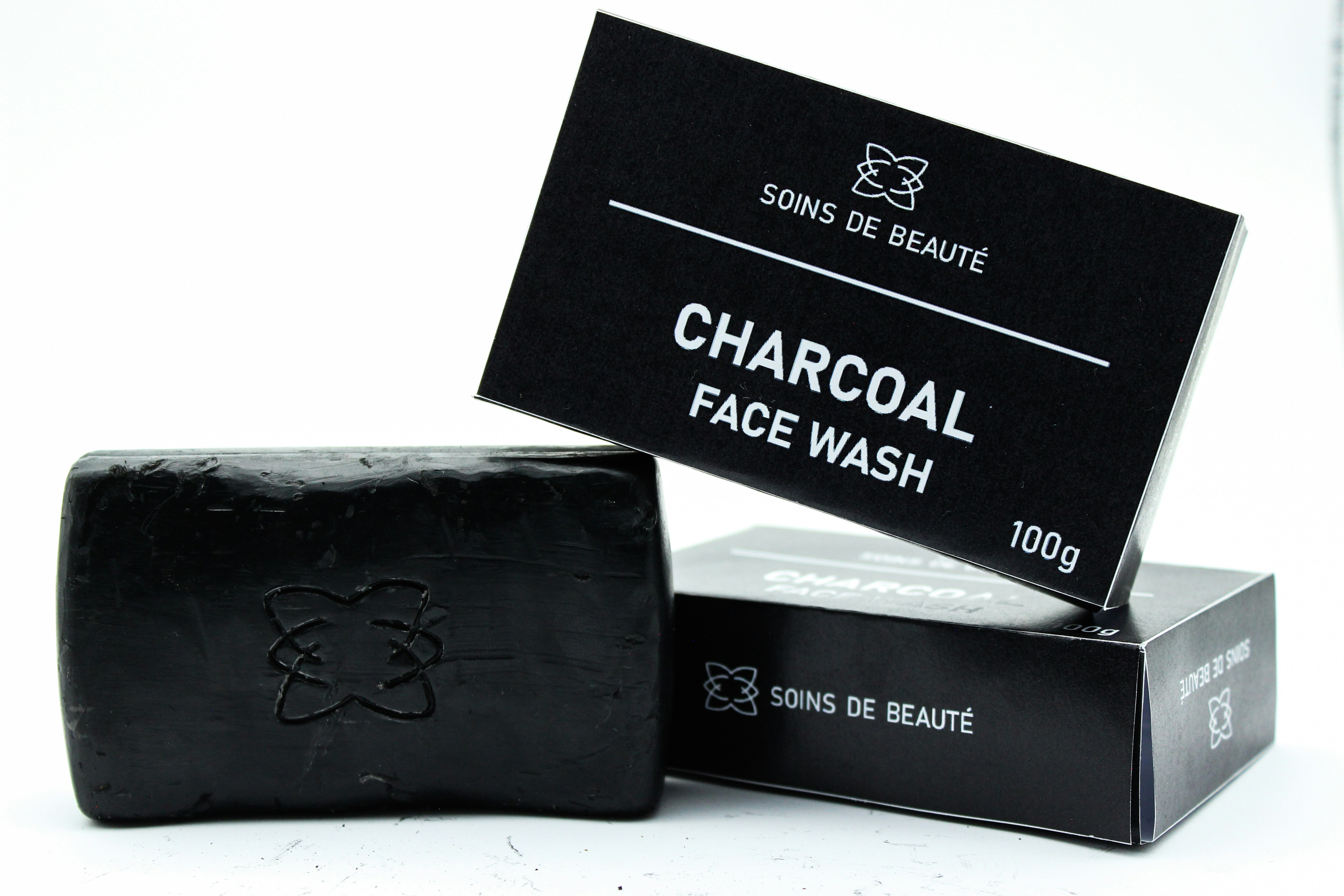
Activated charcoal and rose clay layered at light trace. Demands a confident hand and a fast recipe.
✎ Gel phase deepens the swirl.
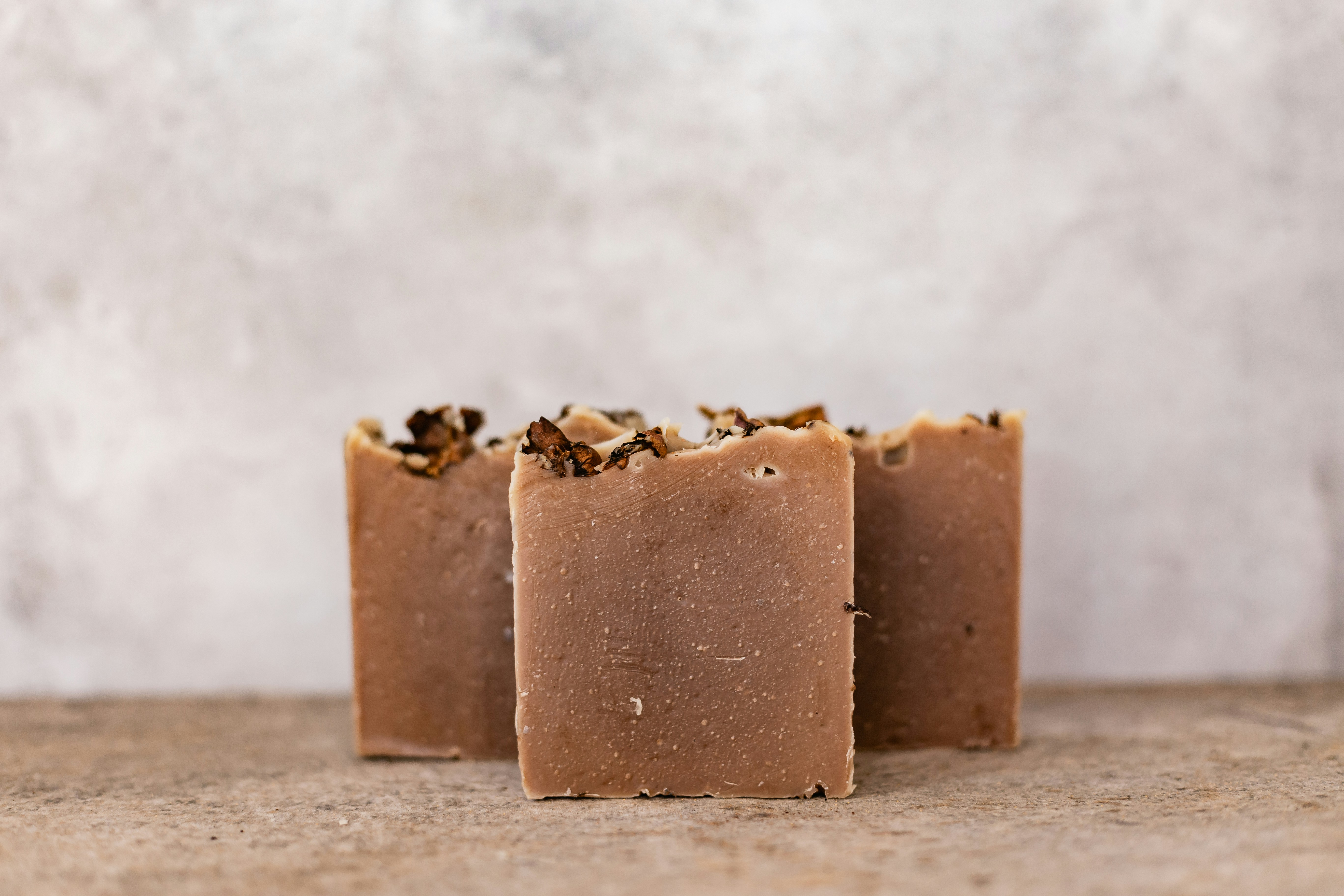
Rendered beef tallow at 40% gives a dense, creamy bar. Lavender 40/42 survives saponification beautifully.
✎ Tallow traces faster than olive.
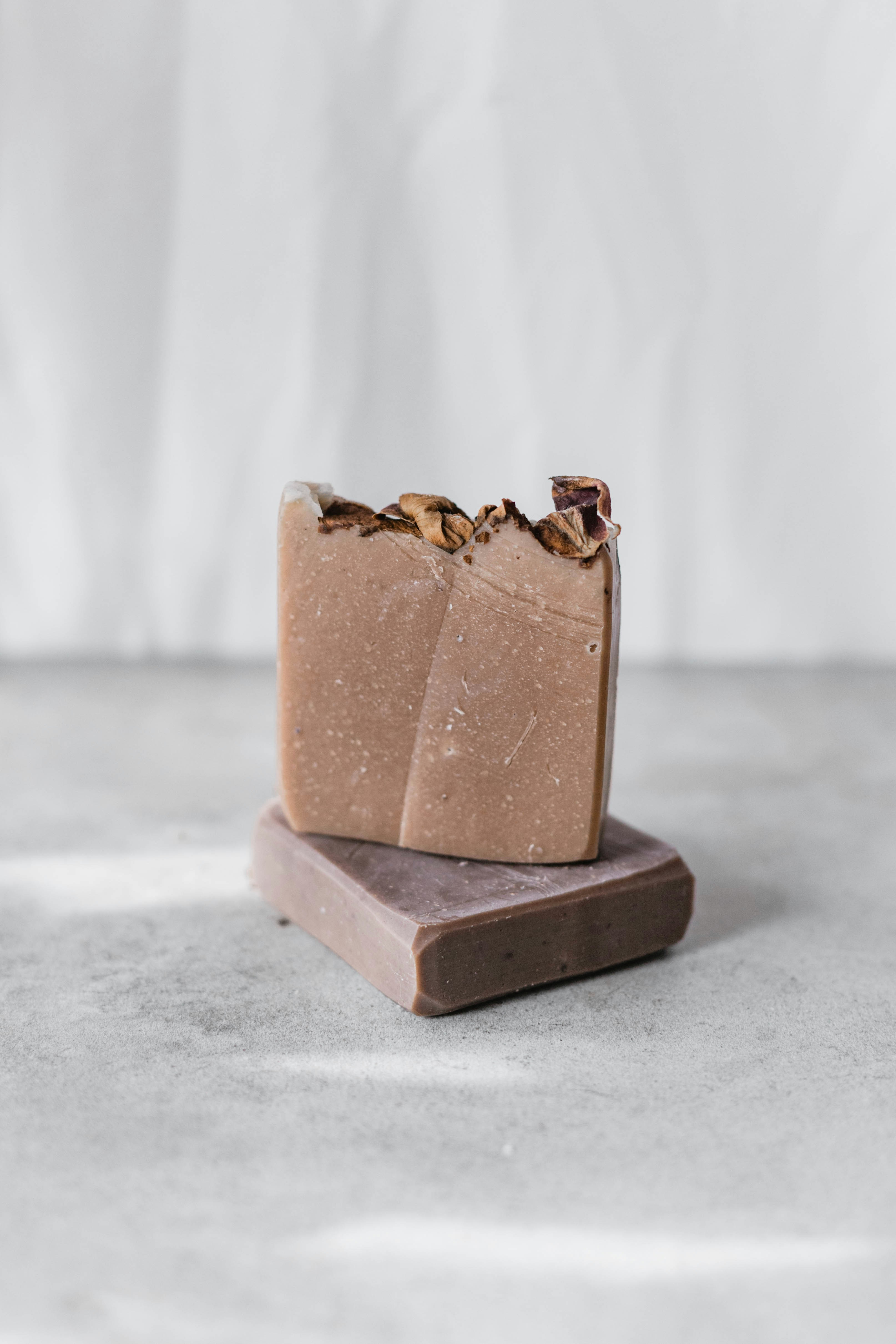
100% olive oil. Patience is the only technique — cure for 3 months minimum. The reward is a slick, conditioning lather.
✎ Never rush a Castile.
Every oil, colorant, and additive — with SAP values, usage rates, and honest notes from the bench.
NaOH — Lye
The non-negotiable. 99%+ purity. Measure to the tenth of a gram. Store in sealed glass.
0.135 (coconut) · 0.134 (olive)
Olea europaea
High in oleic acid. Conditioning, skin-loving, slow to trace. Backbone of Castile and Bastille recipes.
SAP value: 0.134
Cocos nucifera
Big, fluffy lather. Hard bar. High lauric acid. Keep under 30% to avoid dryness; raise superfat to compensate.
SAP value: 0.190
Ricinus communis
Lather booster and trace accelerant. Use at 5–8%. Above 10% creates a sticky bar.
SAP value: 0.128
Kaolin — Rose
Gentle detoxifier. Adds pink hue that deepens through gel phase. 1 tsp per 500g oils at trace.
Non-saponifiable
Carbo medicinalis
Pore-cleansing, dramatic black. Disperses in a small amount of oil before trace. Pairs with peppermint.
Non-saponifiable
Organized by difficulty — from first lye measure to advanced swirl technique.
Trace is the emulsification point where your soap batter thickens enough to hold a drizzle on its surface. Light trace (like thin custard) is your window for swirls. Medium trace (like pudding) for textured tops. Full trace means the recipe is closing — work fast or accept a rustic result.
Gel phase deepens colors and creates a translucent, almost glassy bar. It also accelerates cure. Here is how to control it.
A swirl lives or dies at trace. Pour too early and colors bleed. Pour too late and the batter folds rather than flows.
No batch failure is too embarrassing. No question too basic. The bench is a laboratory — experiments fail; that is how you learn.
"I have ruined more batches than I can count. Each one taught me something a textbook could not."
From: Frustrated in Fresno
Fragrance oils with high vanilla content or certain florals accelerate trace dramatically. Try stick-blending to emulsification only — no further — before adding your fragrance. Some FOs (tobacco, rose) simply need to be used in a hot-process recipe instead.
From: New to Lye in Nashville
That's soda ash — a cosmetic issue, not a safety one. It forms when unsaponified soap reacts with CO₂. Prevention: soap at a higher temperature, cover with a board for 24 hours, or spritz the surface with 91% isopropyl alcohol right after pour. A light planing with a vegetable peeler removes it from cured bars.
From: Confused in Cork
Rapid, uneven gel phase — often caused by high water content, a warm room, or insulating too well. The crack is from expanding gases during gel. It's safe, but structurally weak. Going forward: soap cooler (oils at 85°F / 30°C), use a 33% lye concentration, and don't insulate in summer.
From: Skeptical in Seattle
Most lavender essential oils morph or fade through saponification. Lavender 40/42 (standardized) holds better than pure lavandula angustifolia. Anchor it with a small amount of cedarwood (5–10% of your fragrance load) — the woody base extends the topnote. Or accept the fate: a ghost of lavender is still lavender.
A community for soapers who take their craft seriously — but not themselves. Share batch photos, ask about rancid oils, argue about the merits of lard. Beginners are especially welcome.
3,400+
Community Members
12k
Batch Photos Shared
847
Recipes Contributed
99%
Questions Answered
Subscribe to the Next Issue
Delivered when a new issue drops — not weekly, not daily. When there is something worth saying.
No spam. Unsubscribe any time. This is a magazine, not a newsletter.